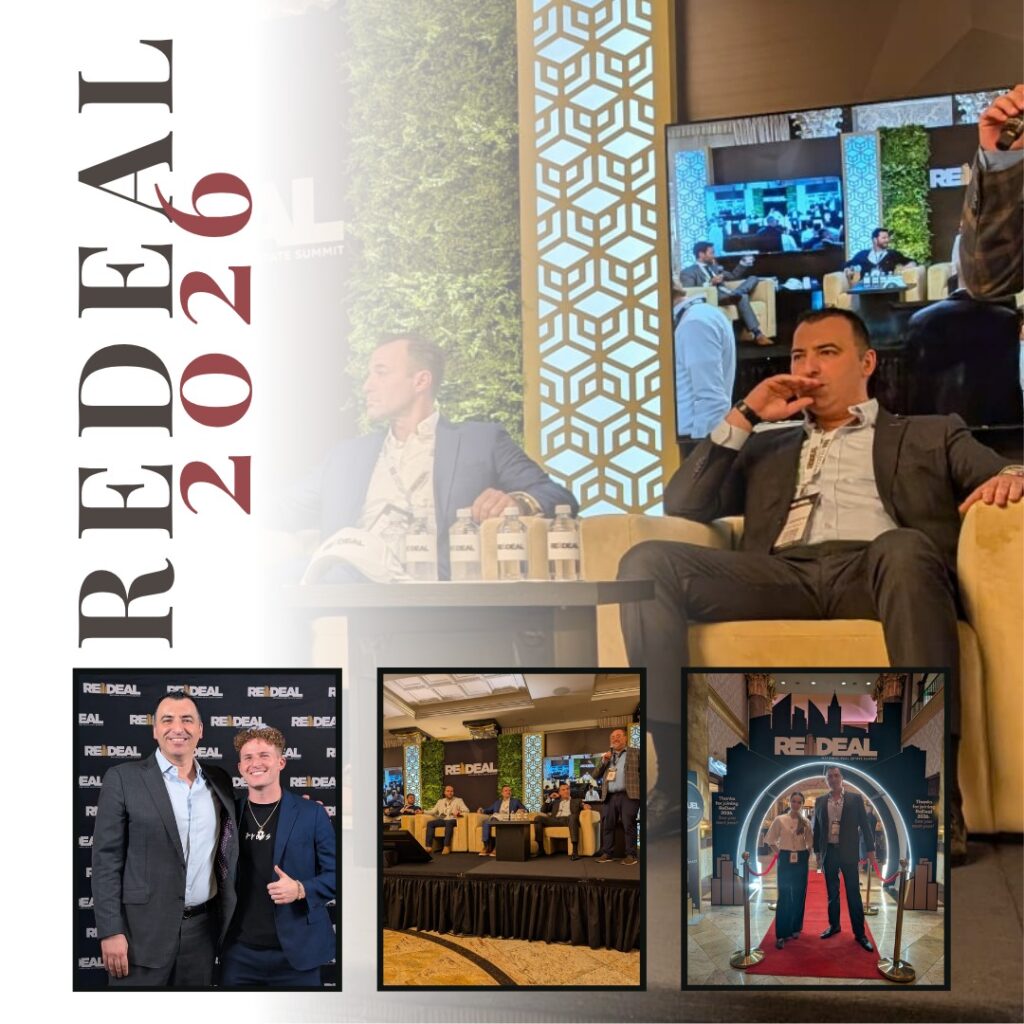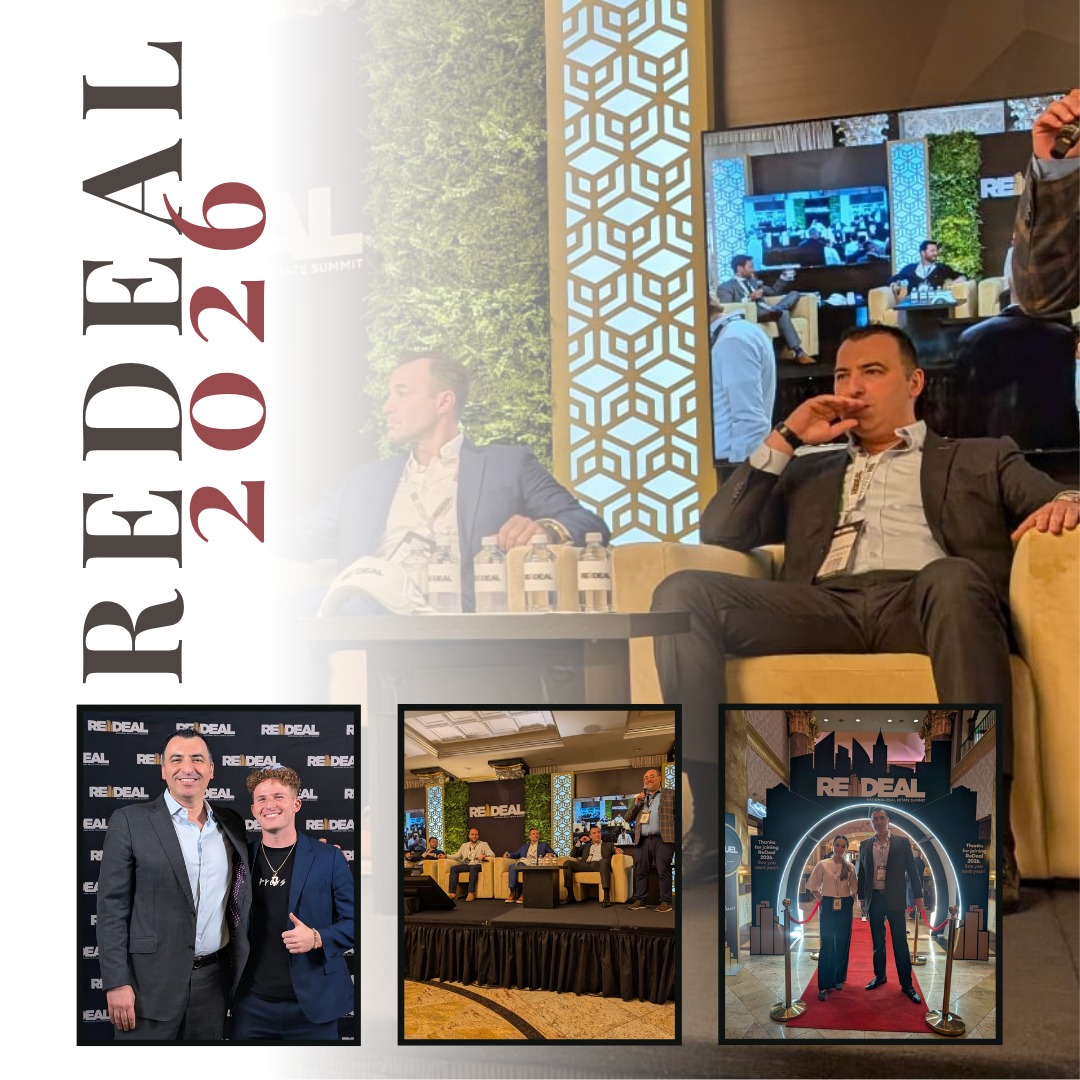
Alpha Realty Principal Lev Mavashev joined a panel of New York multifamily investors and operators at the REDeal Conference to discuss where the market stands heading into the second half of 2026. The conversation, moderated by Seth Glasser of Marcus & Millichap, covered transaction activity, the widening gap between free market and rent-stabilized pricing, the rise of foreign capital in outer-borough deals, and how brokerages are using AI day to day.
Quick Facts
- Event: REDeal Conference, NYC multifamily investment panel
- Moderator: Seth Glasser, Marcus & Millichap
- Panelists: Lev Mavashev of Alpha Realty, alongside representatives from Kings Capital and JSAF Capital
- Topics: Transaction volume, cap rate trends, foreign capital, AI adoption in multifamily deals
What Is Driving the Recent Surge in NYC Multifamily Transaction Volume?
Manhattan multifamily transaction volume surged 60% last quarter, according to Mavashev, who described a market that has shifted meaningfully from where it stood 18 to 24 months ago. New capital that had been sitting on the sidelines is now active, buyer pools have expanded, and lenders have returned to the table. Financing and underwriting challenges remain, and the bid-ask spread between buyers and sellers persists, though it continues to narrow. Mavashev characterized the current environment as a healthy market for properly priced deals.
Why Are Free Market and Rent-Stabilized Cap Rates Diverging So Sharply?
Free market multifamily assets are trading around 6 cap rates, with some value-add deals pricing even lower. Mavashev pointed to a Williamsburg sale his firm closed below a 5 cap as an example of investor demand for free market product with upside. Rent-stabilized buildings, by contrast, are trading at 10 to 12 caps, a gap the panel attributed to strong, concentrated demand on the free market side. Mavashev also noted an opportunity for experienced operators willing to buy rent-stabilized assets at those higher cap rates, provided they know how to manage the properties and resolve violations that keep values suppressed.
How Is Foreign Capital Reshaping NYC Multifamily Investment?
International buyers, including Japanese, French, German, Argentine, and Taiwanese capital, are increasingly active in New York multifamily. Mavashev said this capital is projecting rent increases of 3 to 5% annually across free market buildings and is now moving beyond Manhattan into deeper Brooklyn submarkets, including new construction deals in Bedford-Stuyvesant. He also described private equity-backed operators increasingly partnering with foreign capital on mixed-regulation buildings, tolerating a rent-stabilized share of roughly 20% when paired with an experienced local operator.
How Is Alpha Realty Using AI in Multifamily Deal Work?
Mavashev said Alpha Realty is a heavy user of AI across offering memorandums, broker opinions of value, underwriting, outreach, and prospecting, framing it as a tool that handles 75 to 80% of the repetitive work so the team can focus on the deals themselves. He noted the firm uses Gemini in addition to Claude for analyst work, while still viewing New York multifamily as fundamentally a relationship-driven business that AI supports rather than replaces.
See Alpha Realty’s latest NYC multifamily market data